
© LLC Sigma-Profi Group


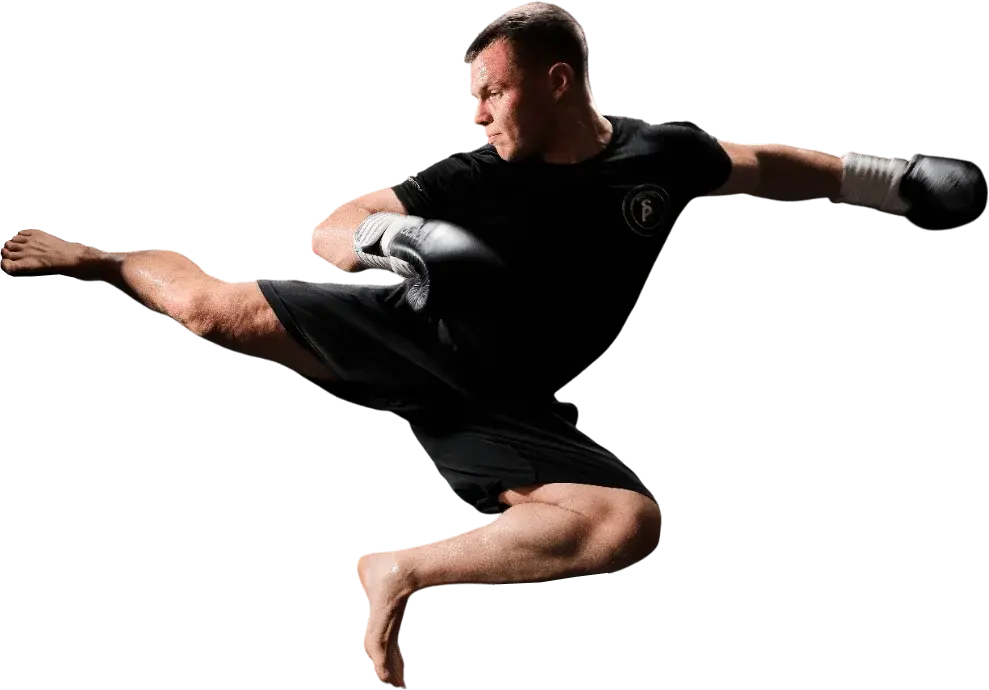
For both facility and personal security officers, impeccable physical fitness alone is not enough. The lives of security professionals revolve around constant growth and self-improvement. They must refine their expertise, master firearms and hand-to-hand combat techniques, administer first aid, operate modern technical equipment, understand legal norms, and handle vehicles under diverse conditions and circumstances.
The Sigma-Profi Center for Specialized Training plays a key role in personnel readiness. The unit’s training programs cover legal, medical, and firearms instruction, as well as specialized courses for close protection officers, armed escort teams, and physical security personnel. The center partners with shooting ranges, martial arts schools, the Russian Special Forces University (International Training Center for Special Operations Forces), and an Aviation Sports Club.
Security Training
Security personnel training begins with a rigorous selection process, including:
Polygraph examination
Physical fitness tests


Interviews with a professional psychologist and the head of close protection
Only candidates meeting the highest standards—excellent emotional control and physical conditioning—are selected.
Below are the core disciplines our operatives master:






BLOG


GET IN TOUCH
Close protection officers train with pistols and carbines, mastering the following tactical skills:
- First-shot accuracy and rapid reloading under stress
- Shooting from various positions (standing, kneeling, prone) and while moving
- Firing from cover and inside/around vehicles, including through ballistic glass
- Seamless weapon transition (carbine to pistol and vice versa)
- First-shot accuracy and rapid reloading under stress
- Shooting from various positions (standing, kneeling, prone) and while moving
- Firing from cover and inside/around vehicles, including through ballistic glass
- Seamless weapon transition (carbine to pistol and vice versa)
Combat Shooting:
Training includes:
- Warm-up drills
- Strike practice (punches, kicks, elbows, knees)
- Defense against armed assaults (knives, blunt weapons)
- Sparring sessions (controlled and scenario-based)
At the beginning and end of the course, operatives must pass combat proficiency tests.
Regular martial arts training develops critical close protection skills, including:
- Lightning-fast reflexes
- Mental alertness & composure
- Precise coordination
- Combat endurance
- Peak physical conditioning
- Warm-up drills
- Strike practice (punches, kicks, elbows, knees)
- Defense against armed assaults (knives, blunt weapons)
- Sparring sessions (controlled and scenario-based)
At the beginning and end of the course, operatives must pass combat proficiency tests.
Regular martial arts training develops critical close protection skills, including:
- Lightning-fast reflexes
- Mental alertness & composure
- Precise coordination
- Combat endurance
- Peak physical conditioning
Hand-to-Hand Combat:
This discipline trains security personnel in optimal positioning, movement protocols, and situational decision-making when safeguarding a principal. Key focus areas include:
- Spatial awareness (standing positions relative to the principal and vehicles)
- Procedural precision (which hand to use when opening doors, entering/exiting elevators)
- Formation drills (foot and vehicle convoy sequencing)
- Scenario rehearsals (emergency exfil, ambush response, crowd navigation)
Training emphasizes repetitive drills, after-action reviews (AARs), and real-time adaptation to ingrain instinctive responses for:
- Pre-emptive threat mitigation
- Smooth yet secure principal movement
- Context-dependent protocol adjustments
Subjects Covered:
- Fundamentals of Personal Security Theory
- High-Risk Escort Tactics (movement under imminent threat)
- Adversary Tactics Analysis (threat anticipation & countermeasures)
- Tactical Team Deployment (formation drills for urban/rural environments)
- Extraction Under Fire (principal evacuation during armed engagement)
- Vehicle & Building Sweeps (pre-movement security checks)
- Principal Movement Protocols (foot/vehicle transit procedures)
Practical Training Includes:
- Live Scenario Exercises (coordinated response drills for extreme situations)
- Force-on-Force Simulations (using airsoft/marker rounds and training explosives)
- Spatial awareness (standing positions relative to the principal and vehicles)
- Procedural precision (which hand to use when opening doors, entering/exiting elevators)
- Formation drills (foot and vehicle convoy sequencing)
- Scenario rehearsals (emergency exfil, ambush response, crowd navigation)
Training emphasizes repetitive drills, after-action reviews (AARs), and real-time adaptation to ingrain instinctive responses for:
- Pre-emptive threat mitigation
- Smooth yet secure principal movement
- Context-dependent protocol adjustments
Subjects Covered:
- Fundamentals of Personal Security Theory
- High-Risk Escort Tactics (movement under imminent threat)
- Adversary Tactics Analysis (threat anticipation & countermeasures)
- Tactical Team Deployment (formation drills for urban/rural environments)
- Extraction Under Fire (principal evacuation during armed engagement)
- Vehicle & Building Sweeps (pre-movement security checks)
- Principal Movement Protocols (foot/vehicle transit procedures)
Practical Training Includes:
- Live Scenario Exercises (coordinated response drills for extreme situations)
- Force-on-Force Simulations (using airsoft/marker rounds and training explosives)
Close Protection Tactics:
Our personnel undergo ongoing medical instruction led by in-house tactical medics and guest consultants, combining theoretical lectures with hands-on drills.
Core Training Components:
Tactical Trauma Care
- CPR (cardiopulmonary resuscitation) in high-stress environments
- Tourniquet application (combat & medical-grade)
- IV injections and emergency fluid replacement
Field Protocols
- Wound management (gunshot, blast, laceration)
- Casualty evacuation under fire (drag/carry techniques)
- Patient stabilization for transport (extreme vs. routine conditions)
Scenario-Based Drills
- Self-aid/buddy-care (treating own/principal’s injuries)
- Civilian rescue procedures
Core Training Components:
Tactical Trauma Care
- CPR (cardiopulmonary resuscitation) in high-stress environments
- Tourniquet application (combat & medical-grade)
- IV injections and emergency fluid replacement
Field Protocols
- Wound management (gunshot, blast, laceration)
- Casualty evacuation under fire (drag/carry techniques)
- Patient stabilization for transport (extreme vs. routine conditions)
Scenario-Based Drills
- Self-aid/buddy-care (treating own/principal’s injuries)
- Civilian rescue procedures
Combat Medicine Training:
Our personnel undergo continuous counter-surveillance instruction delivered by in-house specialists, special operations veterans, and invited consultants through lectures and practical field exercises.
Key Training Components:
Detection & Evasion Techniques
- Identifying hostile surveillance (patterns, personas, technical means)
- Anti-tracking procedures (route analysis, deception tactics)
- Sniper threat mitigation (response protocols to active shooter/sniper scenarios)
Operational Awareness
- Surveillance anatomy (common tactics, equipment, team structures)
- Threat profiling (state/non-state actors, criminal elements)
- Environmental diagnostics (chokepoints, blind spots, escape routes)
Applied Drills
- Live detection exercises in urban/rural settings
- Defensive marksmanship with sniper rifles (familiarization and counter-fire drills)
- Vehicle-based evasion (anti-tailgating, break-contact maneuvers)
Key Training Components:
Detection & Evasion Techniques
- Identifying hostile surveillance (patterns, personas, technical means)
- Anti-tracking procedures (route analysis, deception tactics)
- Sniper threat mitigation (response protocols to active shooter/sniper scenarios)
Operational Awareness
- Surveillance anatomy (common tactics, equipment, team structures)
- Threat profiling (state/non-state actors, criminal elements)
- Environmental diagnostics (chokepoints, blind spots, escape routes)
Applied Drills
- Live detection exercises in urban/rural settings
- Defensive marksmanship with sniper rifles (familiarization and counter-fire drills)
- Vehicle-based evasion (anti-tailgating, break-contact maneuvers)
Counter-Surveillance Training:
This discipline trains our operators in high-speed threat evasion and advanced security driving techniques. The program focuses on real-world tactical applications, including:
Core Skills Mastery:
Vehicle Control Fundamentals
- Precision steering techniques
- Emergency braking (ABS/no-ABS scenarios)
- Controlled skid recovery
Tactical Maneuvers
- J-turns (180° forward spins)
- Reverse 180° ("Bootleg Turn")
- PIT (Precision Immobilization Technique) defense
- Lane-shifting & obstacle avoidance
Pursuit Countermeasures
- Surveillance detection while mobile
- Route planning for ambush avoidance
- Convoy escape protocols
- Defensive positioning during hostile approaches
Scenario Training
- Live pursuit simulations (urban/rural environments)
- Vehicle ramming defense
- Barricade breaching/escape
- Night/Adverse weather operations
Core Skills Mastery:
Vehicle Control Fundamentals
- Precision steering techniques
- Emergency braking (ABS/no-ABS scenarios)
- Controlled skid recovery
Tactical Maneuvers
- J-turns (180° forward spins)
- Reverse 180° ("Bootleg Turn")
- PIT (Precision Immobilization Technique) defense
- Lane-shifting & obstacle avoidance
Pursuit Countermeasures
- Surveillance detection while mobile
- Route planning for ambush avoidance
- Convoy escape protocols
- Defensive positioning during hostile approaches
Scenario Training
- Live pursuit simulations (urban/rural environments)
- Vehicle ramming defense
- Barricade breaching/escape
- Night/Adverse weather operations
Defensive & Evasive Driving Course:
The ethics of a close protection officer encompass a system of moral principles, professional standards, and behavioral norms that define the operative’s commitment to their duty.
Core Components of Professional Culture:
- Legal expertise and operational integrity
- Tactical proficiency paired with psychological resilience
- Balanced development of intellectual judgment and ethical conduct
Key Training Focus Areas:
- Client-Operator Protocol (hierarchy, discretion, and boundaries)
- Professional Demeanor (attire, communication, situational awareness)
- Conflict Mitigation (de-escalation with principals/third parties)
This discipline ensures seamless client relations while maintaining strict operational readiness.
Core Components of Professional Culture:
- Legal expertise and operational integrity
- Tactical proficiency paired with psychological resilience
- Balanced development of intellectual judgment and ethical conduct
Key Training Focus Areas:
- Client-Operator Protocol (hierarchy, discretion, and boundaries)
- Professional Demeanor (attire, communication, situational awareness)
- Conflict Mitigation (de-escalation with principals/third parties)
This discipline ensures seamless client relations while maintaining strict operational readiness.
Close Protection Officer Code of Ethics
Our personnel undergo ongoing legal instruction through seminars and consultations with in-house legal experts and external advisors. The program focuses on operational compliance and liability mitigation in high-risk environments.
Core Curriculum Topics:
Use-of-Force Legislation
- Legal thresholds for firearms, less-lethal tools, and physical intervention
- Jurisdictional variances in armed escort operations
Criminal Law Fundamentals
- Crimes against persons (assault, kidnapping) and property (theft, vandalism)
- Self-defense vs. excessive force case law
Operational Protocols
- Detention authority of private security personnel
- Critical incident response (preserving evidence, witness coordination)
- Confidentiality obligations (client anonymity, trade secret protection)
Medical Intervention Laws
- Legal boundaries of first aid and emergency triage
Assessment & Compliance:
- Annual recertification exams for licensed guards (per Russian PSC regulations)
- Scenario-based testing via our digital learning platform
- "Decision-under-pressure" drills with legal debriefs
Core Curriculum Topics:
Use-of-Force Legislation
- Legal thresholds for firearms, less-lethal tools, and physical intervention
- Jurisdictional variances in armed escort operations
Criminal Law Fundamentals
- Crimes against persons (assault, kidnapping) and property (theft, vandalism)
- Self-defense vs. excessive force case law
Operational Protocols
- Detention authority of private security personnel
- Critical incident response (preserving evidence, witness coordination)
- Confidentiality obligations (client anonymity, trade secret protection)
Medical Intervention Laws
- Legal boundaries of first aid and emergency triage
Assessment & Compliance:
- Annual recertification exams for licensed guards (per Russian PSC regulations)
- Scenario-based testing via our digital learning platform
- "Decision-under-pressure" drills with legal debriefs
Legal Training for Close Protection Officers:
This discipline focuses on stress inoculation and tactical decision-making under duress, simulating real-world high-threat scenarios.
Core Training Components:
Stress Conditioning Drills
- Tunnel vision mitigation (cognitive overload management)
- Close-quarters combat (CQC) for personal protection details
- Ambush response protocols (hostile engagement while shielding the principal)
High-Risk Environment Operations
- Dynamic threat assessment in fluid, chaotic situations
- Parachute insertion/extraction (for rapid deployment/evacuation)
- Simulated principal escort using force-on-force airsoft/MILES gear
Scenario-Based Stress Testing
- Crowd surge/riot penetration
- Vehicle ambush countermeasures
- Active shooter/kidnapping attempts
Core Training Components:
Stress Conditioning Drills
- Tunnel vision mitigation (cognitive overload management)
- Close-quarters combat (CQC) for personal protection details
- Ambush response protocols (hostile engagement while shielding the principal)
High-Risk Environment Operations
- Dynamic threat assessment in fluid, chaotic situations
- Parachute insertion/extraction (for rapid deployment/evacuation)
- Simulated principal escort using force-on-force airsoft/MILES gear
Scenario-Based Stress Testing
- Crowd surge/riot penetration
- Vehicle ambush countermeasures
- Active shooter/kidnapping attempts
Extreme Situation Response Training
Planning information
| Preparation | Fitness, communication and situational awareness |
|---|---|
| Response | First aid, defensive skills and coordinated incident response |
| Application | Scenario-based practice for protection assignments |
Frequently Asked Questions
What skills are emphasized in security training?
Training emphasizes fitness, awareness, communication, first aid, defensive skills, coordinated response and scenario-based decision-making for protection work.
Why is recurring practice important for security personnel?
Recurring practice helps personnel maintain physical readiness, reinforce procedures and respond consistently when an assignment presents a changing or urgent situation.
I placed an order for event security — everything was done at the highest level!