
© LLC Sigma-Profi Group





At Sigma-Profi Group, we specialize in delivering top-tier security solutions for events of all scales across the United States. Based in Miami, Florida, our team of highly trained professionals ensures the safety of VIP clients, attendees, and assets during events such as concerts, conferences, corporate gatherings, and private celebrations.

Event Security Services in Miami
Comprehensive Event Security Solutions


We provide tailored security plans to meet the unique needs of each event. Our services include:
Risk Assessments:
Identifying potential vulnerabilities to mitigate threats effectively.
Crowd Management
Ensuring the safety of attendees through organized crowd control and monitoring.
Access Control
Preventing unauthorized entry and maintaining a secure perimeter.
VIP Protection:
Offering discreet and visible security for high-profile individuals, including artists, athletes, executives, and public figures.
Specialized Services for High-Risk Events


For events with elevated risk levels, Sigma-Profi Group offers:
Profiling Teams
Covert monitoring to identify potential threats before they escalate.
Tactical Medics
On-site medical personnel trained to respond to emergencies swiftly and effectively.
Advanced Planning and Consultation
Collaborating with organizers to ensure all safety measures are integrated seamlessly into the event’s operations.

Expertise Across Diverse Events


Our experience spans a wide range of events, including:
Corporate Events and Conferences:
Strategic planning, secure transportation, and access control.
Concerts and Festivals
Crowd behavior management, performer safety, and emergency readiness.
Private Celebrations and Parties
Discreet security tailored to create a secure yet welcoming atmosphere.
Sporting Events
Comprehensive on-site security for players, attendees, and staff.
We can also arm employees with the weapons presented below for any of your events:
armed security for the event

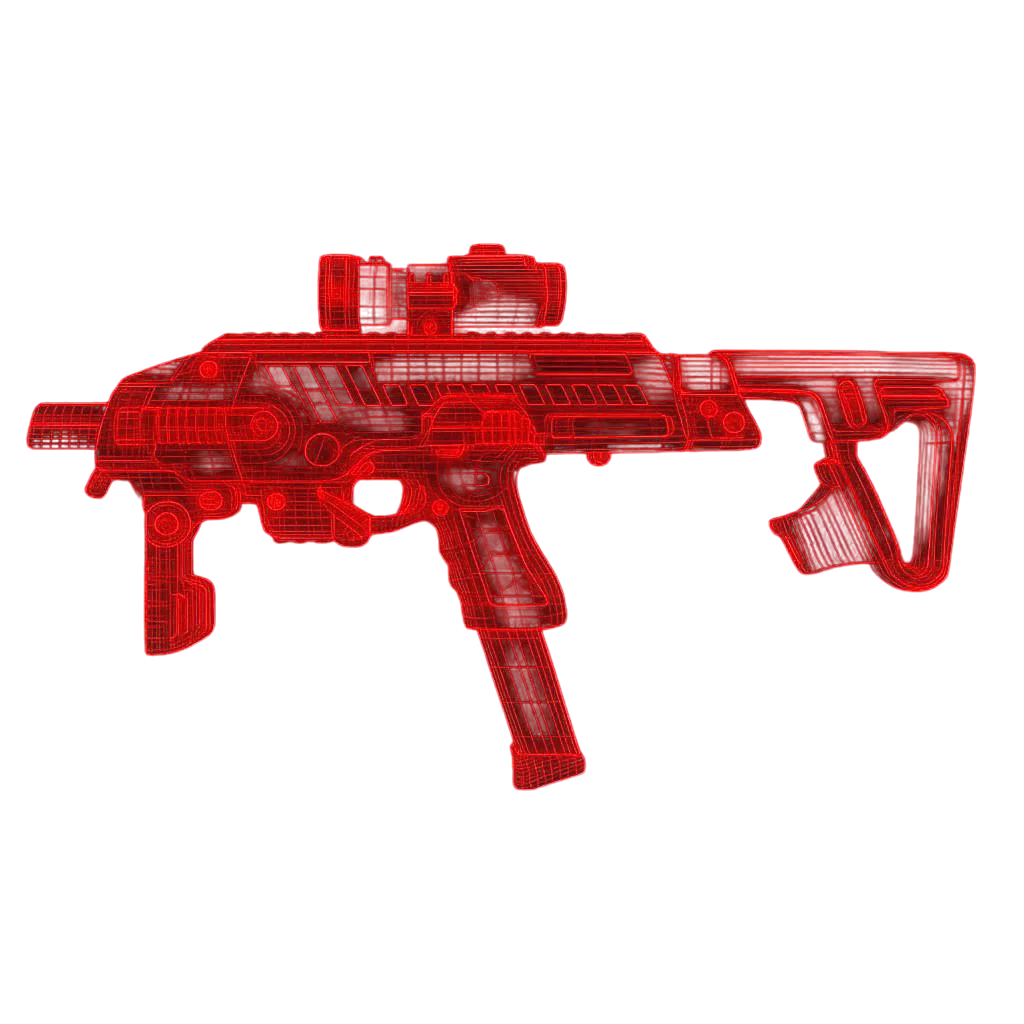


Some characteristics of the Roni G1 tactical system:
Compatibility: Suitable for use with Glock models from 17 to 35.
Weight: 1.35 kg.
Length: 490 mm.
Height: 140 mm.
Thickness: 650 mm.
Construction: plastic and aluminum.
Features of the complex:
Extendable telescopic stock with a large number of fixation points. It allows you to rest the weapon on your shoulder and make the hold more rigid and tight.
Tactical folding fire control handle. During transportation, it folds up and does not interfere with carrying the complex, and in the combat position, the handle unfolds and gives the shooter a foothold.
Reloading mechanism. There are two levers — on the left and on the right side. This makes it easier to work with the complex for lefties and makes reloading easier in an extreme situation.
Muzzle brake compensator. Reduces weapon toss.
Picatini-Weaver type slats. Each of them can be equipped with a collimator sight, a laser designator, a tactical flashlight or any other weapon system.
Compatibility: Suitable for use with Glock models from 17 to 35.
Weight: 1.35 kg.
Length: 490 mm.
Height: 140 mm.
Thickness: 650 mm.
Construction: plastic and aluminum.
Features of the complex:
Extendable telescopic stock with a large number of fixation points. It allows you to rest the weapon on your shoulder and make the hold more rigid and tight.
Tactical folding fire control handle. During transportation, it folds up and does not interfere with carrying the complex, and in the combat position, the handle unfolds and gives the shooter a foothold.
Reloading mechanism. There are two levers — on the left and on the right side. This makes it easier to work with the complex for lefties and makes reloading easier in an extreme situation.
Muzzle brake compensator. Reduces weapon toss.
Picatini-Weaver type slats. Each of them can be equipped with a collimator sight, a laser designator, a tactical flashlight or any other weapon system.
RONI G1


Some characteristics of the Glock 17 Gen 5 tactical system:
Caliber: 9×19 Para
Weapon length, mm: 202
Barrel length, mm: 114
Aiming line, mm: 165
Height of the weapon with magazine, mm: 139
Weapon thickness, mm: 34
Weight without magazine, g: 631
Weight with empty magazine, g: 711
Trigger stroke length, mm: 12.5
Trigger force, kg: 2.6
Magazine capacity, cartridges: 17 (10/19/24//31/33)
Caliber: 9×19 Para
Weapon length, mm: 202
Barrel length, mm: 114
Aiming line, mm: 165
Height of the weapon with magazine, mm: 139
Weapon thickness, mm: 34
Weight without magazine, g: 631
Weight with empty magazine, g: 711
Trigger stroke length, mm: 12.5
Trigger force, kg: 2.6
Magazine capacity, cartridges: 17 (10/19/24//31/33)
Glock 17 GEN 5

Compact and easy to transport, the Daniel Defense DDM4 PDW Short Barrel Rifle is the kind of AR15 style firearm you can rely on for home and personal defense...plus it's a ton of fun to shoot. The 7 inch 300 Blackout Cold Hammer Forged barrel keeps subsonic loads subsonic and provides great ballistics for a shorter barrel. This highly maneuverable PDW SBR is equipped with the Maxim Defense CQB Gen 7 stock and comes with a 6 inch MFR XL flat front rail for fast handling, accuracy, and reliability while also providing compatibility with a wide variety of accessories. This firearm features M-LOK attachment points and an SLR M-LOK MOD2 Plain Front Handstop to help ensure a safe shooting experience.
FEATURES:
FEATURES:
- Ultra-compact platform with 7 inch, 1:7 twist barrel for compatibility with subsonic and supersonic loads.
- Maxim Defense CQB Gen 7 Stock with enhanced buffer system functions reliably suppressed or unsuppressed.
- Linear compensator directs muzzle blast forward of the shooter. Muzzle threads (5/8-24) allow for muzzle device customization
- Independently ambi GRIP-N-RIP Charging Handle accommodates left- and right-handed shooter
Daniel Defense DDM4 PDW SBR
PRICE CALCULATOR
Why Choose Sigma-Profi Group?
Unmatched Expertise
Our security consultants and field personnel are trained in the latest security protocols and crowd behavior management techniques.
Tailored Solutions
Every event receives a customized security plan based on its specific requirements and risk profile.
Reliable Partnerships
We coordinate with local authorities and integrate advanced technologies to enhance overall safety.
Investing in Sigma-Profi Group’s event security services ensures peace of mind for organizers and attendees alike. Our commitment to professionalism allows you to focus on delivering an unforgettable experience while we handle the safety and logistics.
Your Trusted Partner in Event Security
Contact us today to discuss your event security needs and discover how we can help ensure a successful and secure event.
Are a crucial part of any organization's security strategy. They help identify potential vulnerabilities and threats, allowing organizations to take proactive measures to mitigate risks. Here are some additional elements that can be included in a risk assessment:
RISK ASSESMENTS
1. Threat identification:
- External threats: These include cyberattacks, physical security breaches, natural disasters, and supply chain disruptions.
- Internal threats: This includes insider threats, such as employee negligence or malicious behavior, as well as system failures or data corruption.
- External threats: These include cyberattacks, physical security breaches, natural disasters, and supply chain disruptions.
- Internal threats: This includes insider threats, such as employee negligence or malicious behavior, as well as system failures or data corruption.
2. Vulnerability analysis:
- Technical vulnerabilities: Weaknesses in software, hardware, or network infrastructure.
- Operational vulnerabilities: Inefficiencies in processes, procedures, or human resources.
- Organizational vulnerabilities: Lack of policies, training, or awareness programs.
- Technical vulnerabilities: Weaknesses in software, hardware, or network infrastructure.
- Operational vulnerabilities: Inefficiencies in processes, procedures, or human resources.
- Organizational vulnerabilities: Lack of policies, training, or awareness programs.
4. Mitigation strategies:
- Security controls: Implementing firewalls, antivirus software, encryption, and access controls.
- Process improvements: Enhancing operational procedures and workflows.
- Training and awareness: Educating employees on security best practices.
- Security controls: Implementing firewalls, antivirus software, encryption, and access controls.
- Process improvements: Enhancing operational procedures and workflows.
- Training and awareness: Educating employees on security best practices.
5. Scenario planning:
- Worst-case scenarios: Planning for the most severe outcomes of a security breach.
- Contingency plans: Developing protocols for responding to security incidents.
- Recovery strategies: Establishing methods for restoring systems and data after a breach.
- Worst-case scenarios: Planning for the most severe outcomes of a security breach.
- Contingency plans: Developing protocols for responding to security incidents.
- Recovery strategies: Establishing methods for restoring systems and data after a breach.
7. Stakeholder engagement:
- Involving key stakeholders in the risk assessment process.
- Communicating findings and recommendations to relevant parties.
- Obtaining buy-in and support for implementing mitigation strategies.
- Involving key stakeholders in the risk assessment process.
- Communicating findings and recommendations to relevant parties.
- Obtaining buy-in and support for implementing mitigation strategies.
8. Documentation and reporting:
- Creating comprehensive reports outlining risk levels, mitigation efforts, and progress.
- Sharing reports with stakeholders and decision-makers.
- Maintaining records for future reference and audits.
- Creating comprehensive reports outlining risk levels, mitigation efforts, and progress.
- Sharing reports with stakeholders and decision-makers.
- Maintaining records for future reference and audits.
3. Risk quantification:
- Probability: The likelihood of a threat occurring.
- Impact: The potential damage or loss caused by the threat.
- Risk score: A numerical value representing the overall risk level.
- Probability: The likelihood of a threat occurring.
- Impact: The potential damage or loss caused by the threat.
- Risk score: A numerical value representing the overall risk level.
6. Continuous monitoring:
- Regularly reviewing and updating risk assessments.
- Tracking changes in threat landscape and organizational environment.
- Adjusting mitigation strategies based on new information and evolving risks.
- Regularly reviewing and updating risk assessments.
- Tracking changes in threat landscape and organizational environment.
- Adjusting mitigation strategies based on new information and evolving risks.
By including these additional elements in a risk assessment, organizations can gain a more holistic view of their security posture and take more informed decisions to protect against potential threats.
Is a crucial aspect of ensuring the safety and security of large gatherings, events, and public spaces. It involves organizing and controlling crowds to prevent accidents, injuries, or other negative outcomes. Here are some additional elements that can be included in crowd management:
CROWD MANAGEMENT
1. Crowd analysis:
- Size and density: Assessing the number of attendees and their concentration in different areas.
- Behavior patterns: Identifying common behaviors and trends among the crowd.
- Vulnerable groups: Recognizing individuals who may require special attention, such as children, elderly people, or those with disabilities.
- Size and density: Assessing the number of attendees and their concentration in different areas.
- Behavior patterns: Identifying common behaviors and trends among the crowd.
- Vulnerable groups: Recognizing individuals who may require special attention, such as children, elderly people, or those with disabilities.
2. Emergency planning:
- Evacuation routes: Designating clear pathways for evacuation in case of emergencies.
- First aid stations: Establishing locations for first aid and medical assistance.
- Communication systems: Implementing effective communication methods to disseminate information and instructions.
- Evacuation routes: Designating clear pathways for evacuation in case of emergencies.
- First aid stations: Establishing locations for first aid and medical assistance.
- Communication systems: Implementing effective communication methods to disseminate information and instructions.
4. Monitoring and surveillance:
- Video cameras: Installing cameras to monitor crowd behavior and identify potential issues.
- Sensors: Using sensors to detect crowd density and movement patterns.
- Real-time data analytics: Analyzing real-time data to make informed decisions and respond quickly to incidents.
- Video cameras: Installing cameras to monitor crowd behavior and identify potential issues.
- Sensors: Using sensors to detect crowd density and movement patterns.
- Real-time data analytics: Analyzing real-time data to make informed decisions and respond quickly to incidents.
5. Training and education:
- Staff training: Educating staff members on crowd management techniques and procedures.
- Attendee awareness: Providing information to attendees about safety guidelines and emergency procedures.
- Staff training: Educating staff members on crowd management techniques and procedures.
- Attendee awareness: Providing information to attendees about safety guidelines and emergency procedures.
7. Collaboration with authorities:
- Coordination with police and fire departments: Working closely with local authorities to ensure a coordinated response in case of emergencies.
- Coordination with police and fire departments: Working closely with local authorities to ensure a coordinated response in case of emergencies.
8. Documentation and reporting:
- Record keeping: Maintaining records of crowd management activities, incidents, and responses.
- Reporting: Generating reports to share with stakeholders and decision-makers.
- Record keeping: Maintaining records of crowd management activities, incidents, and responses.
- Reporting: Generating reports to share with stakeholders and decision-makers.
3. Security measures:
- Access control: Limiting entry points and managing crowd flow to prevent overcrowding.
- Event staff: Training and deploying staff members to monitor and manage the crowd.
- Crisis response teams: Having trained teams on standby to handle emergencies and incidents.
- Access control: Limiting entry points and managing crowd flow to prevent overcrowding.
- Event staff: Training and deploying staff members to monitor and manage the crowd.
- Crisis response teams: Having trained teams on standby to handle emergencies and incidents.
6. Post-event evaluation:
- Incident review: Conducting a thorough review of any incidents or near misses to identify lessons learned and areas for improvement.
- Feedback collection: Gathering feedback from attendees, staff, and other stakeholders to assess the effectiveness of crowd management efforts.
- Incident review: Conducting a thorough review of any incidents or near misses to identify lessons learned and areas for improvement.
- Feedback collection: Gathering feedback from attendees, staff, and other stakeholders to assess the effectiveness of crowd management efforts.
By including these additional elements in crowd management, organizations can enhance safety, minimize risks, and create a more enjoyable experience for attendees.
Is a critical aspect of ensuring the safety and security of buildings, facilities, and restricted areas. It involves regulating who can enter and exit certain spaces to prevent unauthorized access and maintain a secure perimeter. Here are some additional elements that can be included in access control:
ACCESS CONTROL
1. Identification and authentication:
- Biometric systems: Using fingerprint, facial recognition, or other biometric data to verify identity.
- Smart cards and key fobs: Issuing smart cards or key fobs with unique codes or RFID tags for access.
- Password and PIN codes: Requiring users to provide passwords or PIN codes for entry.
- Biometric systems: Using fingerprint, facial recognition, or other biometric data to verify identity.
- Smart cards and key fobs: Issuing smart cards or key fobs with unique codes or RFID tags for access.
- Password and PIN codes: Requiring users to provide passwords or PIN codes for entry.
2. Access permissions:
- Role-based access control (RBAC): Assigning different levels of access based on job roles and responsibilities.
- Time-based access: Limiting access to specific hours or days of the week.
- Location-based access: Restricting access to certain areas within a facility.
- Role-based access control (RBAC): Assigning different levels of access based on job roles and responsibilities.
- Time-based access: Limiting access to specific hours or days of the week.
- Location-based access: Restricting access to certain areas within a facility.
4. Security personnel:
- Guards and officers: Stationing guards or police officers at entrances and exits to monitor access and respond to incidents.
- CCTV surveillance: Implementing CCTV cameras to record video footage and detect unauthorized activity.
- Guards and officers: Stationing guards or police officers at entrances and exits to monitor access and respond to incidents.
- CCTV surveillance: Implementing CCTV cameras to record video footage and detect unauthorized activity.
5.Emergency access:
- Fire exits and evacuation routes: Ensuring easy access to fire exits and evacuation routes in case of emergencies.
- Key holders and master keys: Designating key holders or providing master keys for authorized personnel to access locked areas during emergencies.
- Fire exits and evacuation routes: Ensuring easy access to fire exits and evacuation routes in case of emergencies.
- Key holders and master keys: Designating key holders or providing master keys for authorized personnel to access locked areas during emergencies.
7. Documentation and reporting:
- Audit trails: Maintaining logs of all access events and activities for monitoring and analysis.
- Incident reports: Generating incident reports to document any unauthorized access attempts or security breaches.
- Audit trails: Maintaining logs of all access events and activities for monitoring and analysis.
- Incident reports: Generating incident reports to document any unauthorized access attempts or security breaches.
3. Physical barriers:
- Gates and turnstiles: Installing gates and turnstiles to control crowd flow and prevent tailgating.
- Bollards and fences: Deploying bollards and fences to block vehicle access or create physical barriers.
- Locks and deadbolts: Using locks and deadbolts to secure doors and windows.
- Gates and turnstiles: Installing gates and turnstiles to control crowd flow and prevent tailgating.
- Bollards and fences: Deploying bollards and fences to block vehicle access or create physical barriers.
- Locks and deadbolts: Using locks and deadbolts to secure doors and windows.
6. Maintenance and testing:
- Regular inspections: Conducting regular inspections of access controls to identify any issues or vulnerabilities.
- System updates and patches: Applying software updates and security patches to ensure the system is up-to-date and protected against threats.
- Regular inspections: Conducting regular inspections of access controls to identify any issues or vulnerabilities.
- System updates and patches: Applying software updates and security patches to ensure the system is up-to-date and protected against threats.
By including these additional elements in access control, organizations can enhance security, minimize risks, and ensure only authorized individuals have access to sensitive areas.
Is a crucial aspect of ensuring the safety and security of high-profile individuals, including artists, athletes, executives, and public figures. It involves providing discreet and visible security measures to prevent harm and maintain a secure environment. Here are some additional elements that can be included in VIP protection:
VIP PROTECTION
1. Threat assessment:
- Risk analysis: Conducting a thorough risk analysis to identify potential threats and vulnerabilities.
- Security briefings: Providing regular security briefings to VIPs and their close associates to keep them informed of any potential risks.
- Risk analysis: Conducting a thorough risk analysis to identify potential threats and vulnerabilities.
- Security briefings: Providing regular security briefings to VIPs and their close associates to keep them informed of any potential risks.
2. Discreet surveillance:
- CCTV cameras: Installing CCTV cameras to monitor the surroundings and detect any suspicious activity.
- Bodyguards: Deploying trained bodyguards to provide physical protection and escort VIPs during public appearances.
- CCTV cameras: Installing CCTV cameras to monitor the surroundings and detect any suspicious activity.
- Bodyguards: Deploying trained bodyguards to provide physical protection and escort VIPs during public appearances.
4. Event planning:
- Venue selection: Choosing secure venues for events and gatherings.
- Crowd management: Implementing crowd management strategies to control crowds and prevent overcrowding.
- Venue selection: Choosing secure venues for events and gatherings.
- Crowd management: Implementing crowd management strategies to control crowds and prevent overcrowding.
5. Communication systems:
- Two-way radios: Equipping security personnel with two-way radios for quick communication.
- Mobile devices: Using mobile devices to receive real-time updates and alerts.
- Two-way radios: Equipping security personnel with two-way radios for quick communication.
- Mobile devices: Using mobile devices to receive real-time updates and alerts.
7. Post-event evaluation:
- Incident review: Conducting post-event reviews to evaluate the effectiveness of security measures and identify areas for improvement.
- Feedback collection: Gathering feedback from VIPs and other stakeholders to assess the quality of VIP protection services.
- Incident review: Conducting post-event reviews to evaluate the effectiveness of security measures and identify areas for improvement.
- Feedback collection: Gathering feedback from VIPs and other stakeholders to assess the quality of VIP protection services.
8. Collaboration with authorities:
- Coordination with police and private security firms: Working closely with local authorities and private security firms to ensure a coordinated response in case of emergencies.
- Coordination with police and private security firms: Working closely with local authorities and private security firms to ensure a coordinated response in case of emergencies.
3. Visible security:
- Uniformed guards: Stationing uniformed security personnel at key locations to deter potential attackers.
- Emergency response teams: Having emergency response teams on standby to handle any incidents or emergencies.
- Uniformed guards: Stationing uniformed security personnel at key locations to deter potential attackers.
- Emergency response teams: Having emergency response teams on standby to handle any incidents or emergencies.
6.Training and education:
- VIP protection training: Providing specialized training for security personnel in VIP protection techniques.
- First aid and CPR: Training security personnel in first aid and CPR to respond to medical emergencies.
- VIP protection training: Providing specialized training for security personnel in VIP protection techniques.
- First aid and CPR: Training security personnel in first aid and CPR to respond to medical emergencies.
By including these additional elements in VIP protection, organizations can enhance safety, minimize risks, and provide effective security for high-profile individuals.
9. Documentation and reporting:
- Activity logs: Maintaining detailed logs of all security activities and incidents.
- Regular reports: Generating regular reports to share with VIPs and decision-makers.
- Activity logs: Maintaining detailed logs of all security activities and incidents.
- Regular reports: Generating regular reports to share with VIPs and decision-makers.
Are essential for covert monitoring, which involves identifying potential threats before they escalate. Here are some additional elements that can be included in profiling teams:
PROFILING TEAMS
1. Threat identification:
- External threats: Identifying external threats such as cyberattacks, physical security breaches, and supply chain disruptions.
- Internal threats: Identifying internal threats like employee negligence or malicious behavior, system failures, or data corruption.
- External threats: Identifying external threats such as cyberattacks, physical security breaches, and supply chain disruptions.
- Internal threats: Identifying internal threats like employee negligence or malicious behavior, system failures, or data corruption.
2. Risk assessment:
- Probability: Assessing the likelihood of a threat occurring.
- Impact: Evaluating the potential damage or loss caused by the threat.
- Risk score: Assigning a numerical value to represent the overall risk level.
- Probability: Assessing the likelihood of a threat occurring.
- Impact: Evaluating the potential damage or loss caused by the threat.
- Risk score: Assigning a numerical value to represent the overall risk level.
4. Pattern recognition:
- Anomaly detection: Identifying unusual patterns or behaviors that could indicate a threat.
- Trend analysis: Tracking trends over time to predict future threats.
- Predictive modeling: Using statistical models to forecast potential risks.
- Anomaly detection: Identifying unusual patterns or behaviors that could indicate a threat.
- Trend analysis: Tracking trends over time to predict future threats.
- Predictive modeling: Using statistical models to forecast potential risks.
5. Mitigation strategies:
- Security controls: Implementing firewalls, antivirus software, encryption, and access controls.
- Process improvements: Enhancing operational procedures and workflows.
- Training and awareness: Educating employees on security best practices.
- Security controls: Implementing firewalls, antivirus software, encryption, and access controls.
- Process improvements: Enhancing operational procedures and workflows.
- Training and awareness: Educating employees on security best practices.
7. Continuous monitoring:
- Regularly reviewing and updating risk assessments.
- Tracking changes in threat landscape and organizational environment.
- Adjusting mitigation strategies based on new information and evolving risks.
- Regularly reviewing and updating risk assessments.
- Tracking changes in threat landscape and organizational environment.
- Adjusting mitigation strategies based on new information and evolving risks.
8. Stakeholder engagement:
- Involving key stakeholders in the risk assessment process.
- Communicating findings and recommendations to relevant parties.
- Obtaining buy-in and support for implementing mitigation strategies.
- Involving key stakeholders in the risk assessment process.
- Communicating findings and recommendations to relevant parties.
- Obtaining buy-in and support for implementing mitigation strategies.
3. Data collection:
- Open-source intelligence (OSINT): Collecting publicly available information about individuals or organizations.
- Social media analysis: Analyzing social media activity to identify potential risks.
- Interviews and surveys: Conducting interviews and surveys to gather firsthand information.
- Open-source intelligence (OSINT): Collecting publicly available information about individuals or organizations.
- Social media analysis: Analyzing social media activity to identify potential risks.
- Interviews and surveys: Conducting interviews and surveys to gather firsthand information.
6. Scenario planning:
- Worst-case scenarios: Planning for the most severe outcomes of a security breach.
- Contingency plans: Developing protocols for responding to security incidents.
- Recovery strategies: Establishing methods for restoring systems and data after a breach.
- Worst-case scenarios: Planning for the most severe outcomes of a security breach.
- Contingency plans: Developing protocols for responding to security incidents.
- Recovery strategies: Establishing methods for restoring systems and data after a breach.
By including these additional elements in profiling teams, organizations can gain a more holistic view of their security posture and take more informed decisions to protect against potential threats.
9. Documentation and reporting:
- Creating comprehensive reports outlining risk levels, mitigation efforts, and progress.
- Sharing reports with stakeholders and decision-makers.
- Maintaining records for future reference and audits.
- Creating comprehensive reports outlining risk levels, mitigation efforts, and progress.
- Sharing reports with stakeholders and decision-makers.
- Maintaining records for future reference and audits.
Are essential for providing immediate medical assistance in emergency situations. Here are some additional elements that can be included in the assessment of risks related to tactical medics:
TACTICAL MEDICS
1. Threat identification.
- Natural disasters: Identifying potential natural disasters such as earthquakes, hurricanes, or floods.
- Man-made incidents: Assessing the risk of man-made incidents like chemical spills, explosions, or shootings.
- Mass casualty events: Evaluating the likelihood of mass casualty incidents.
- Natural disasters: Identifying potential natural disasters such as earthquakes, hurricanes, or floods.
- Man-made incidents: Assessing the risk of man-made incidents like chemical spills, explosions, or shootings.
- Mass casualty events: Evaluating the likelihood of mass casualty incidents.
2. Vulnerability analysis.
- Medical equipment: Analyzing the availability and functionality of medical equipment.
- Training levels: Assessing the level of training and experience of tactical medics.
- Communication systems: Evaluating communication systems to ensure effective coordination.
- Medical equipment: Analyzing the availability and functionality of medical equipment.
- Training levels: Assessing the level of training and experience of tactical medics.
- Communication systems: Evaluating communication systems to ensure effective coordination.
4. Mitigation strategies.
- Emergency response plans: Developing comprehensive emergency response plans.
- Equipment upgrades: Investing in advanced medical equipment and supplies.
- Training programs: Implementing regular training programs for tactical medics.
- Emergency response plans: Developing comprehensive emergency response plans.
- Equipment upgrades: Investing in advanced medical equipment and supplies.
- Training programs: Implementing regular training programs for tactical medics.
5. Scenario planning.
- Worst-case scenarios: Planning for the most severe outcomes of an emergency.
- Contingency plans: Establishing protocols for responding to different types of emergencies.
- Recovery strategies: Creating methods for restoring services after an incident.
- Worst-case scenarios: Planning for the most severe outcomes of an emergency.
- Contingency plans: Establishing protocols for responding to different types of emergencies.
- Recovery strategies: Creating methods for restoring services after an incident.
7. Stakeholder engagement.
- Involving key stakeholders in the risk assessment process.
- Communicating findings and recommendations to relevant parties.
- Obtaining buy-in and support for implementing mitigation strategies.
- Involving key stakeholders in the risk assessment process.
- Communicating findings and recommendations to relevant parties.
- Obtaining buy-in and support for implementing mitigation strategies.
8. Documentation and reporting.
- Creating comprehensive reports outlining risk levels, mitigation efforts, and progress.
- Sharing reports with stakeholders and decision-makers.
- Maintaining records for future reference and audits.
- Creating comprehensive reports outlining risk levels, mitigation efforts, and progress.
- Sharing reports with stakeholders and decision-makers.
- Maintaining records for future reference and audits.
3. Risk quantification.
- Probability: Calculating the likelihood of each type of threat occurring.
- Impact: Estimating the potential damage or loss caused by each threat.
- Risk score: Assigning a numerical value to represent the overall risk level.
- Probability: Calculating the likelihood of each type of threat occurring.
- Impact: Estimating the potential damage or loss caused by each threat.
- Risk score: Assigning a numerical value to represent the overall risk level.
6. Continuous monitoring.
- Regularly reviewing and updating risk assessments.
- Tracking changes in threat landscape and organizational environment.
- Adjusting mitigation strategies based on new information and evolving risks.
- Regularly reviewing and updating risk assessments.
- Tracking changes in threat landscape and organizational environment.
- Adjusting mitigation strategies based on new information and evolving risks.
By including these additional elements in the assessment of risks related to tactical medics, organizations can enhance their preparedness and response capabilities, ensuring timely and effective medical assistance during emergencies.
And consultation are crucial for ensuring that all safety measures are seamlessly integrated into the operations of an event. Here are some additional elements that can be included in advanced planning and consultation:
ADVANCED PLANNING
1. Threat identification.
- Natural disasters: Identifying potential natural disasters such as earthquakes, hurricanes, or floods.
- Man-made incidents: Assessing the risk of man-made incidents like chemical spills, explosions, or shootings.
- Crowd-related risks: Evaluating the likelihood of crowd-related incidents such as stampedes or riots.
- Natural disasters: Identifying potential natural disasters such as earthquakes, hurricanes, or floods.
- Man-made incidents: Assessing the risk of man-made incidents like chemical spills, explosions, or shootings.
- Crowd-related risks: Evaluating the likelihood of crowd-related incidents such as stampedes or riots.
2. Vulnerability analysis.
- Venue infrastructure: Analyzing the structural integrity and accessibility of the venue.
- Emergency exits: Ensuring that emergency exits are clearly marked and easily accessible.
- Communication systems: Evaluating communication systems to ensure effective coordination.
- Venue infrastructure: Analyzing the structural integrity and accessibility of the venue.
- Emergency exits: Ensuring that emergency exits are clearly marked and easily accessible.
- Communication systems: Evaluating communication systems to ensure effective coordination.
4. Mitigation strategies.
- Safety protocols: Developing comprehensive safety protocols for various scenarios.
- Training programs: Implementing regular training programs for staff and volunteers.
- Equipment upgrades: Investing in advanced safety equipment and technology.
- Safety protocols: Developing comprehensive safety protocols for various scenarios.
- Training programs: Implementing regular training programs for staff and volunteers.
- Equipment upgrades: Investing in advanced safety equipment and technology.
5. Scenario planning.
- Worst-case scenarios: Planning for the most severe outcomes of an incident.
- Contingency plans: Establishing protocols for responding to different types of emergencies.
- Recovery strategies: Creating methods for restoring services after an incident.
- Worst-case scenarios: Planning for the most severe outcomes of an incident.
- Contingency plans: Establishing protocols for responding to different types of emergencies.
- Recovery strategies: Creating methods for restoring services after an incident.
7. Stakeholder engagement.
- Involving key stakeholders in the risk assessment process.
- Communicating findings and recommendations to relevant parties.
- Obtaining buy-in and support for implementing mitigation strategies.
- Involving key stakeholders in the risk assessment process.
- Communicating findings and recommendations to relevant parties.
- Obtaining buy-in and support for implementing mitigation strategies.
8. Documentation and reporting.
- Creating comprehensive reports outlining risk levels, mitigation efforts, and progress.
- Sharing reports with stakeholders and decision-makers.
- Maintaining records for future reference and audits.
- Creating comprehensive reports outlining risk levels, mitigation efforts, and progress.
- Sharing reports with stakeholders and decision-makers.
- Maintaining records for future reference and audits.
3. Risk quantification.
- Probability: Calculating the likelihood of each type of threat occurring.
- Impact: Estimating the potential damage or loss caused by each threat.
- Risk score: Assigning a numerical value to represent the overall risk level.
- Probability: Calculating the likelihood of each type of threat occurring.
- Impact: Estimating the potential damage or loss caused by each threat.
- Risk score: Assigning a numerical value to represent the overall risk level.
6. Continuous monitoring.
- Regularly reviewing and updating risk assessments.
- Tracking changes in threat landscape and organizational environment.
- Adjusting mitigation strategies based on new information and evolving risks.
- Regularly reviewing and updating risk assessments.
- Tracking changes in threat landscape and organizational environment.
- Adjusting mitigation strategies based on new information and evolving risks.
By including these additional elements in advanced planning and consultation, organizations can enhance their preparedness and response capabilities, ensuring a safe and secure environment for all attendees.
By submitting this form, you agree to our Privacy Policy and Terms of Use.
Planning information
| Service | Event Security Services in Miami |
|---|---|
| Primary area | Miami and nearby South Florida assignments |
| Quote basis | Location, schedule, staffing, duties and assessed risk |
Frequently Asked Questions
What does an event security plan cover?
A plan can cover entrances, guest access, crowd flow, restricted areas, valuable equipment, VIP movements, emergency routes and communication with venue staff.
How is the number of event security personnel determined?
Staffing depends on attendance, venue layout, operating hours, access points, event type, alcohol service, protected people and the assessed level of risk.
I placed an order for event security — everything was done at the highest level!